
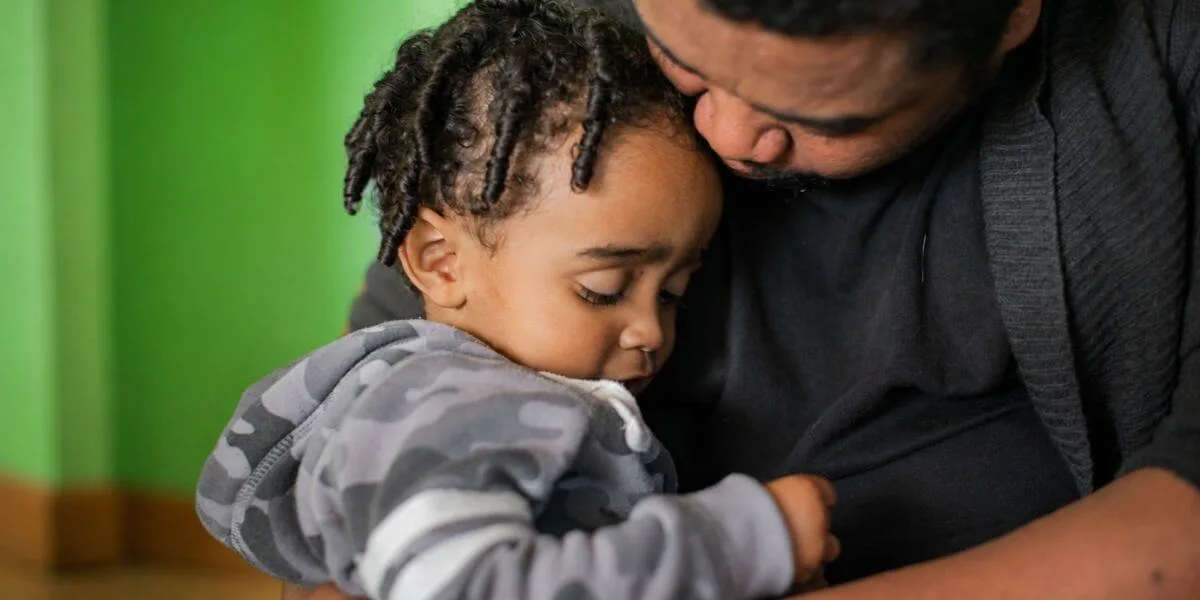
Anxiety in toddlers is more common than many parents realise. During the early years, children are still learning how to understand the world around them, manage big feelings, and feel secure when they’re away from the people they trust the most.
For some children, this can show through tears at school drop-off, clinginess, difficulty settling, or becoming upset when a parent leaves the room. While this can be difficult for parents to see, separation anxiety in toddlers is often a normal part of development.
In this blog, we’ll explain what separation anxiety is, the common causes and signs of anxiety in toddlers, and share some practical ways you can help your child feel calmer, safer, and more confident.
What is separation anxiety?
Separation anxiety happens when a child becomes distressed when separated from a parent or main caregiver. It often starts in babyhood and can continue into toddlerhood, especially during times of change.
For toddlers, separation anxiety can feel especially intense because they’re becoming more independent, but still rely heavily on familiar adults for comfort and reassurance. They may understand that you’re leaving, but not fully understand when you’ll return.
This is why a nursery drop-off, bedtime, starting a new childcare setting, or being left with someone unfamiliar can feel overwhelming. Although it can be upsetting, separation anxiety is usually a sign that your child has formed a strong attachment and feels safest with you.
What are some key signs of anxiety in toddlers?
The signs of anxiety in toddlers can vary from child to child. Some children show their worries clearly through crying or clinging, while others may become quieter, withdrawn, or unsettled in different ways.
Some common signs include:
- Crying when a parent or caregiver leaves
- Becoming clingy before nursery, bedtime, or new situations
- Refusing to be comforted by unfamiliar adults
- Needing lots of reassurance
- Becoming upset when routines change
- Having difficulty sleeping or waking more often
- Changes in appetite
- Tantrums or meltdowns linked to separation
- Saying their tummy hurts or they feel poorly before leaving home
Toddlers may not have the words to say “I feel worried,” so anxiety can sometimes appear as behaviour. Rather than seeing this as naughtiness, it can help to view it as your child’s way of communicating that they need support. Using effective communication with children can help you recognise these cues, respond calmly and give your toddler the reassurance they need to express how they’re feeling.
What causes separation anxiety in toddlers?
There’s not always one clear cause of separation anxiety in toddlers. Often, it’s linked to normal development and a growing awareness of the world.
However, some common causes may include:
- Starting nursery or changing childcare settings
- Moving house or changes in family routine
- A new sibling arriving
- Illness, tiredness, or disrupted sleep
- Spending more time with one parent or caregiver
- Previous stressful separations
- Changes in who collects or looks after them
Toddlers are also developing a stronger sense of independence, but their emotional regulation skills are still very young. This means they may want to explore and do things by themselves one moment, then need comfort and reassurance the next.
How can I ease anxiety in toddlers?
The best way to ease anxiety in toddlers is through calm, consistent reassurance. Your child needs to know that their feelings are understood, that they’re safe, and that you will return.
Small, repeated routines can make a big difference over time. Here are some ways you can help ease anxiety in your child.
Practise short separation breaks from your child
Short, gentle separations can help your toddler build confidence. Start with small moments, such as leaving them with a trusted adult while you go into another room, then gradually increase the time.
Always say goodbye rather than sneaking away. While it may feel easier in the moment, disappearing can make your child more anxious next time.
You should keep the goodbyes warm, simple, and confident. For example, you could say “I’m going now, but I’ll come back after snack time.”
Talk about what you’ll do later that day
Some toddlers feel safer when they know what to expect. That’s why talking about what will happen later can help them understand that separation is temporary.
For example, you might say “You’re going to play at nursery, have lunch, and then I’ll come back after your afternoon story.”
Using familiar points in the day, such as snack time, lunch, nap time, or story time, can be easier for toddlers to understand than exact clock times.
Leave your child’s favourite toy or blanket with them
A comfort object can help your toddler feel connected to home when you’re not there. This might be a favourite teddy, blanket, muslin, or a small soft toy.
These familiar items can offer reassurance during transitions, especially at nursery drop-off, nap time, or when meeting new people.
If your nursery has rules around comfort items, speak to the team so they can help your child settle in a way that feels safe and supportive.
Gradually introduce new people to your toddler
New people and unfamiliar environments can increase separation anxiety in toddlers, so gradual introductions are helpful.
If possible, let your child spend short periods with new caregivers while you’re nearby at first. Over time, they can build trust and become more comfortable being left with them.
At nursery, settling-in sessions are especially valuable. They give your toddler time to explore the environment, meet staff, and understand that a nursery is a safe, friendly space.
Comfort your child when they’re afraid
When your toddler is anxious, they need reassurance before they can calm down. Try to stay patient, even if their reaction feels intense.
Some reassuring things you could say might include:
- “I know you feel worried.”
- “It’s hard to say goodbye.”
- “You’re safe here.”
- “I will come back.”
Avoid dismissing their feelings with phrases like “don’t be silly” or “there’s nothing to cry about.” Instead, acknowledge the feeling while gently reinforcing the routine.
Over time, this helps your child feel understood and teaches them that anxiety can be managed.
Learn how we support your child at Stepping Stones
At Stepping Stones, we understand that starting nursery or spending time away from parents can feel like a big step for toddlers. Our caring team supports children with patience, reassurance, and gentle settling-in routines designed to help them feel safe and secure.
We work closely with parents to understand each child’s needs, comfort items, routines, and personality to help to ease anxiety in toddlers and build confidence over time. If your child is experiencing separation anxiety, we’re here to help make the transition as calm and positive as possible.
Be sure to book a visit to our day nursery today to meet our team, explore our facilities, and learn how we support your child’s emotional wellbeing during the early years.
FAQs around anxiety in toddlers
Is anxiety in toddlers normal?
Yes, anxiety in toddlers is a normal part of early childhood development. As toddlers become more aware of the world around them, they may experience worries about unfamiliar situations, new environments, or being separated from their parents or caregivers. While occasional anxiety is common, providing reassurance and consistent routines can help children feel more secure.
What age does separation anxiety usually start?
Separation anxiety often begins between 6 and 12 months of age and can become more noticeable during the toddler years. Most children gradually become more confident with separation as they grow and develop a better understanding that parents will return after being away.
How long does separation anxiety in toddlers last?
There is no set timeframe for separation anxiety in toddlers. Some children may move through it within a few weeks, while others may need longer periods of reassurance and support.
Can nursery help with separation anxiety?
Yes, a supportive nursery environment, like Stepping Stones, can help children gradually build confidence and independence. Our experienced team understands how to support separation anxiety in toddlers through settling-in sessions, consistent routines, and strong relationships that help children feel safe and secure.
When should I seek professional advice about my child’s anxiety?
If your child’s anxiety is significantly affecting their sleep, eating, learning, social interactions, or daily family life, it may be helpful to speak with your GP or a health visitor. They can help determine whether additional support may be beneficial and provide guidance tailored to your child’s needs.